Show the whole system.
Publish government-owned camera locations, contracts, costs, funding sources, current policies, and aggregate usage statistics.
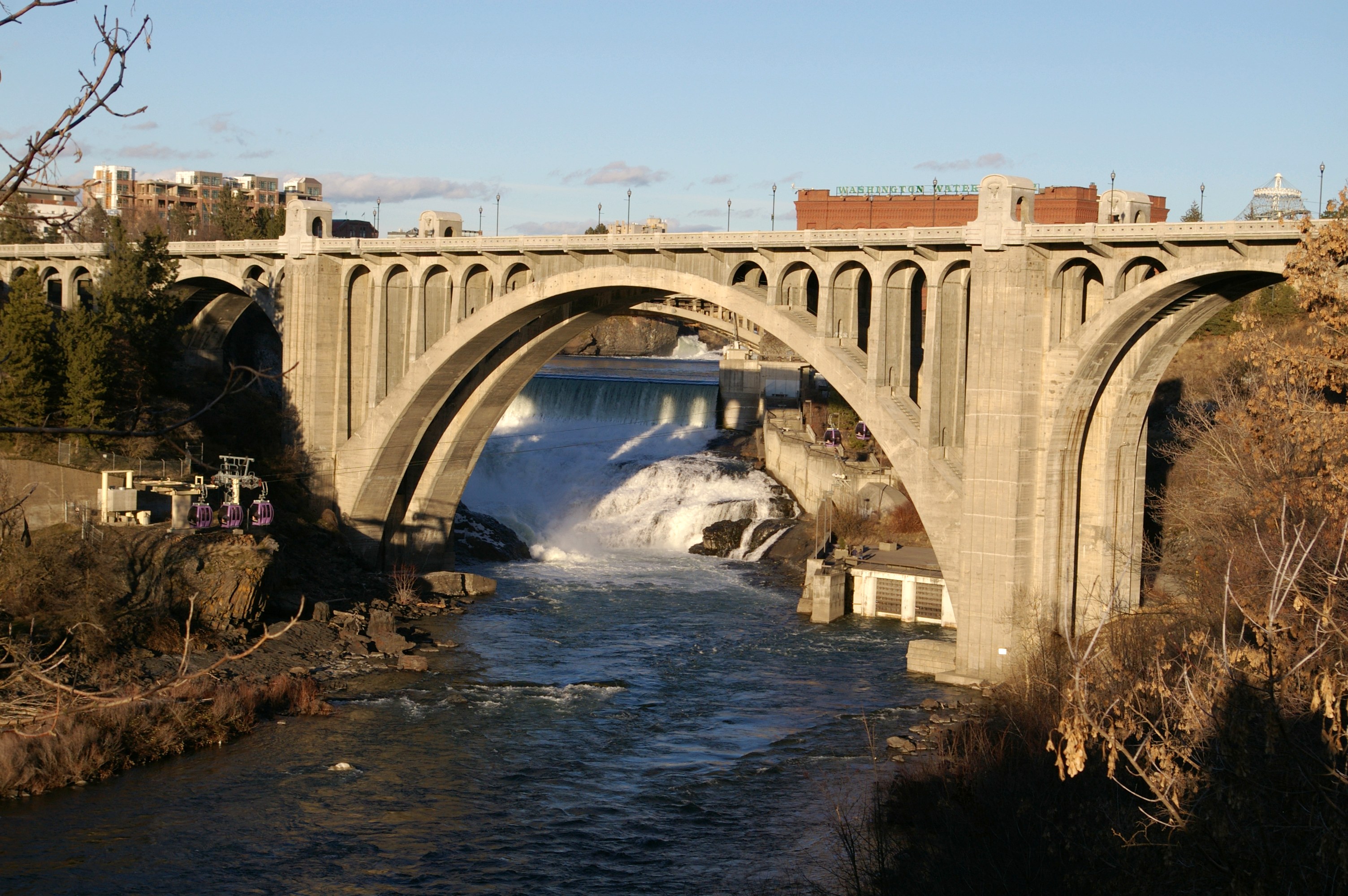
SPOKANE, WASHINGTON / PRIVACY IS LOCAL.
Our roads connect us. They shouldn’t track us.
License plate cameras record ordinary drivers across our community. We deserve to know what’s collected, who can access it, and who gets to decide.
01 / THE LOCAL PICTURE
Automated license plate readers, or ALPRs, photograph passing vehicles and turn those sightings into searchable records.
A driver doesn’t have to be suspected of a crime to be recorded. A plate, a place, and a time can reveal pieces of someone’s daily routine.
In February 2025, Spokane Police presented a plan to move its fixed ALPR system to Flock Safety. The proposal identified funding for 28 fixed Falcon cameras and 2 movable Falcon Flex cameras.
City Council records: February 3, 2025 public safety materials ↗These figures describe the original funding proposal, not a verified count of cameras operating today.
The City of Spokane, Spokane County, Liberty Lake, Airway Heights, and private operators are distinct. A regional map is not a city-owned camera inventory.
02 / FOLLOW THE NETWORK
Explore reported ALPR locations around Spokane and the surrounding area. These are roads people use every day.
Open full DeFlock mapMap by DeFlock. Community reports may be incomplete or outdated; a marker does not establish current operation, ownership, or agency access.
Map not loading? Open it directly ↗03 / WHY IT MATTERS
The concern isn’t just one photograph. It’s what becomes possible when sightings can be searched across locations.
Repeated records can expose patterns: the commute, the appointment, the place of worship, the people we visit. That deserves public scrutiny.
Police can use ALPR records for investigations and vehicle alerts. The public still deserves evidence that the benefits justify the collection, cost, and risk.
Should everyone’s movements become searchable just in case they’re useful someday?
Local rules matter. So do the settings that control sharing.
Residents deserve a current list of authorized agencies, the rules for outside-jurisdiction and federal requests, and the approval process for changing access.
Publish current retention rules for detections, exported records, and search logs separately. An older 30-day retention statement should not be treated as proof of today’s settings.
Require a documented investigative reason, tamper-resistant logs, independent audits, and meaningful consequences for misuse. Publish audit findings without exposing personal information.
Publish aggregate investigations, arrests, convictions, false alerts, and annual costs. Explain what the system contributed and which outcomes relied on it. A scan count alone is not a public-safety outcome.
WASHINGTON HAS RULES. SPOKANE STILL HAS A CHOICE.
Washington’s Attorney General identifies RCW 10.130 as the law governing ALPR use by local and state agencies and provides a registration and policy resource.
Residents should be able to inspect the applicable law and each agency’s current policy. Regulation does not settle whether Spokane should expand this infrastructure.
Read the Attorney General’s ALPR resource ↗04 / WHAT WE’RE ASKING FOR
Before adding more cameras, Spokane should demonstrate the need and put meaningful public safeguards in place.
Publish government-owned camera locations, contracts, costs, funding sources, current policies, and aggregate usage statistics.
Disclose outside-agency access and data-sharing rules. Require documented investigative justification for searches.
Maintain tamper-resistant search logs, conduct regular audits, and establish meaningful penalties for misuse.
No additional cameras without public review. Require City Council approval for material city-system expansion and reevaluate the system against measurable outcomes.
If this technology is justified, prove it.
And govern it transparently.
05 / MAKE YOURSELF HEARD
YOUR VOICE BELONGS IN THIS DECISION.Ask Spokane City Council to pause expansion of automated license plate surveillance until the public gets answers and meaningful safeguards.
Opens your email app; you review and send. To: Spokane City Council Office.
Council Chambers, Lower Level
808 W. Spokane Falls Blvd.
Check the official calendar for the next meeting’s date, time, agenda, and public-comment sign-up instructions.
Upcoming meetings & public comment ↗Follow Council updates and check the community map as the public record develops.
Council newsletters ↗Follow the DeFlock project ↗THE RECORD / READ IT FOR YOURSELF
Historical proposal figures are labeled by date. Map reports are not an official inventory. Our demands are advocacy positions, not a claim that every requested safeguard is currently absent.